What Are Architectural Louvers? Types & Applications
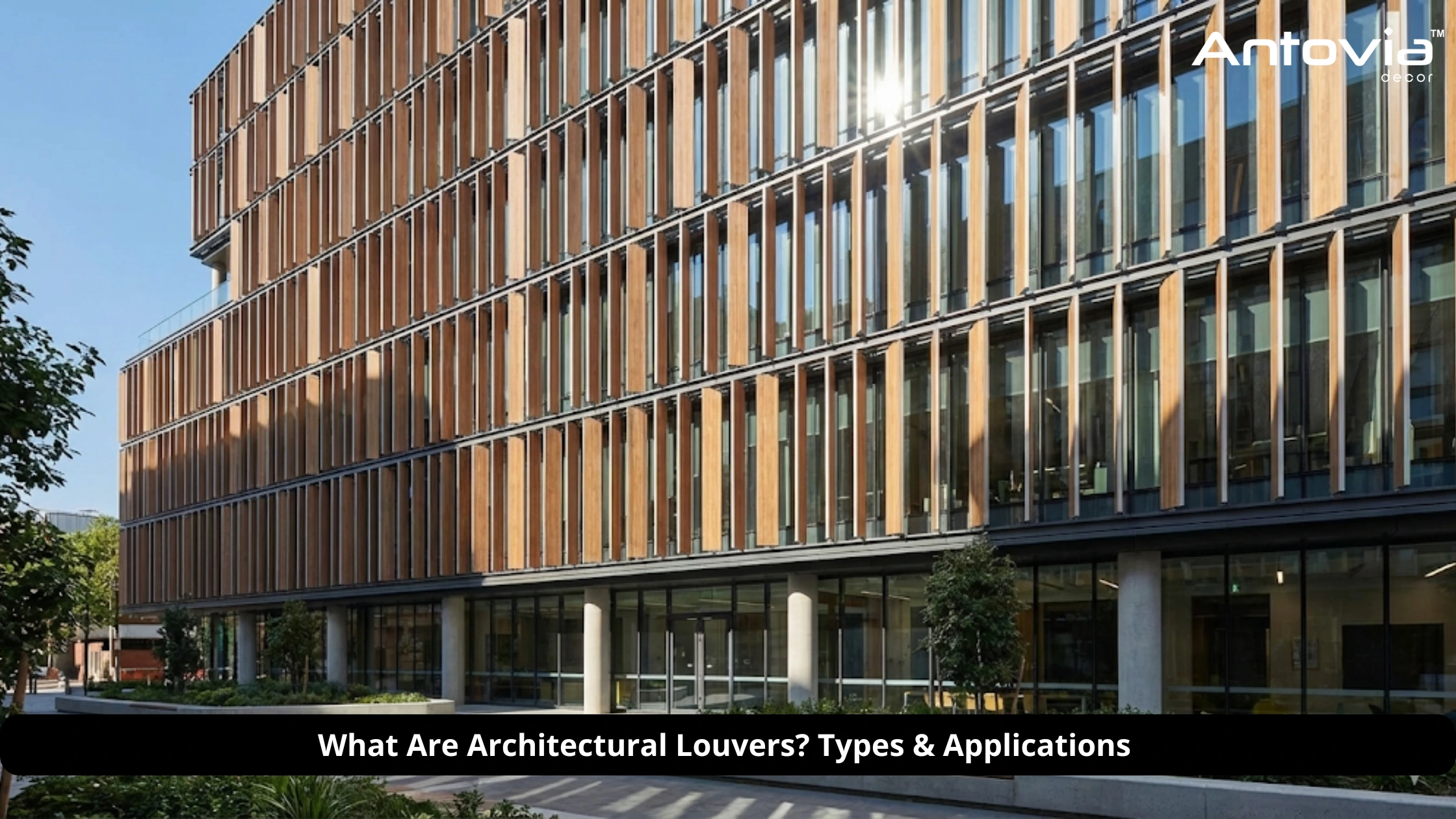
In the modern construction and design environment, the buildings are supposed to provide more offer than just appearance. They have to be efficient and adapt to the climatic conditions and offer sustainable comfort to the occupants. One architectural element that effectively meets all these expectations is architectural louvers.
Louvers, which were once regarded as mere functional elements of architecture, have now been incorporated in the modern architecture planning. From enhancing airflow to shaping contemporary façades, architectural louvers balance performance with design. This detailed guide explains architectural louvers, explores louvers type, and highlights practical louvers application across residential, commercial, and industrial buildings.
What Are Architectural Louvers?
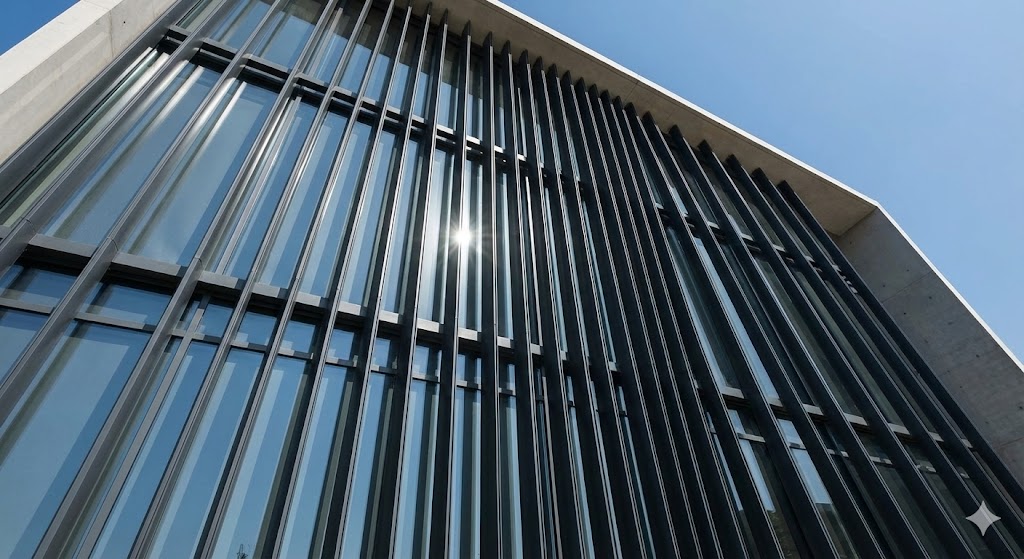
Architectural louvers are systems made up of horizontal or vertical slats that are strategically angled to allow air circulation while limiting the entry of sunlight, rain, and debris. These slats will be either attached or adjustable, depending on the purpose they are to be used, and the degree of environmental control needed.
Unlike conventional vents, architectural louvers are designed to blend seamlessly with building architecture. They are widely used as building louvers in façades, windows, balconies, and service zones, offering both functional and aesthetic value. Minimal, modern and contemporary architecture has been enhanced by the use of louvers, which complement the design.
How Do Architectural Louvers Function in Buildings?
Architectural louvers work by creating a controlled passage for air and light. The angled blades direct air into the building and exclude direct sunlight and rain.
They have the following fundamental functions:
- Enabling uninterrupted natural ventilation.
- Lessening the indoor heating.
- Avoiding infiltration of water during a rain.
- Enhancing indoor air quality.
By supporting passive cooling, architectural louvers help buildings maintain comfort with reduced energy consumption.
Why Are Architectural Louvers Important in Modern Architecture?
The architecture of the modern era is focused on sustainability, energy conservation and comfort of the occupants.
Functional Importance
- Improve airflow in enclosed and semi-enclosed spaces
- Reduce heat gain in sun-exposed areas
- Passive cooling strategies are to be supported.
Visual Importance
- Add depth and rhythm to façades
- Enhance elevation aesthetics
- Strengthen facade louvers design with linear patterns
As a result, architectural louvers are widely adopted in contemporary residential and commercial projects.
What Are the Different Types of Louvers?
Understanding the different types of louvers is essential when selecting the right solution for a building. The Louvers are categorized by the use, material, and direction. Each louvers type addresses a specific architectural requirement.
Louvers Type Based on Function
Ventilation Louvers
Ventilation louvers put emphasis on airflow but they do not allow rain and dust. These architectural louvers are commonly installed in:
- Electrical and mechanical rooms.
- Exits of basement ventilation.
- Parking structures
They make sure that air circulates without interfering with its safety.
Sun Control Louvers
Sun control louvers are to be able to restrict direct exposure to the sun. They reduce the glare and heat gain to ensure the comfort of indoors:
- Office buildings
- Glass façades
- Commercial complexes
This louvers type is especially effective in hot and tropical climates.
Privacy Louvers
Privacy-oriented architectural louvers allow ventilation while restricting visibility. Typical louvers application areas include:
- Residential balconies
- Windows facing public streets
- Outdoor seating zones
They are comfortable without enclosing the space completely.
Decorative Louvers
Decorative louvers are also aimed at enhancing the appearance as well as providing minimal airflow They are often used for:
- Building elevations
- Entrance features
- Interior accent walls
Decorative louvers play a key role in modern facade louvers design.
Louvers Type Based on Material
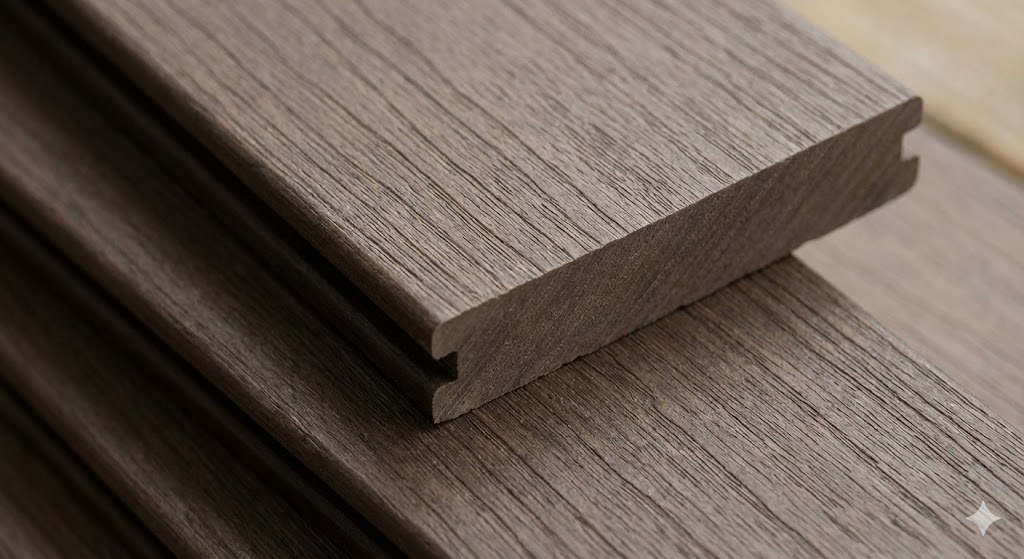
Material selection impacts durability, maintenance, and appearance. Below are commonly used materials for architectural louvers.
Aluminum Architectural Louvers
- Lightweight and corrosion-resistant
- Suitable for exterior façades
- Require minimal maintenance
Metal Louvers (Steel / GI)
- High strength and durability
- Ideal for industrial buildings
- Resistant to harsh weather conditions
Wooden Louvers
- Natural and warm visual appeal
- Suitable for interiors and covered exteriors
- Require regular maintenance
WPC Louvers Exterior
WPC louvers exterior options are increasingly popular in modern projects. They offer:
- Resistance to moisture and termites
- Consistent appearance over time
- Maintained Low compared to natural wood.
HPL-Based Louvers
- High resistance to UV rays and weather
- Available in wood, stone, and solid finishes
- Ideal for premium facade louvers design
Louvers Type Based on Orientation
The issue of orientation influences the functionality as well as design flexibility.
- Horizontal Louvers: These are best to use in shading the sun and controlling the airflow.
- Vertical Louvers: Offer privacy and modern-day facade design.
- Fixed Louvers: Inexpensive and inexpensive in terms of maintenance.
- Adjustable Louvers: Have the flexibility of control over light and ventilation.
These options expand the range of different types of louvers available to architects.
Where Are Architectural Louvers Commonly Used?
Architectural louvers are versatile and adaptable to multiple building types.
Applications in common include:
- Office block buildings.
- Apartments and villas
- Industrial plant and warehouse.
- Hospitals and educational institutions.
Their adaptability makes architectural louvers a preferred architectural solution.
Louvers Application in Exterior Architecture
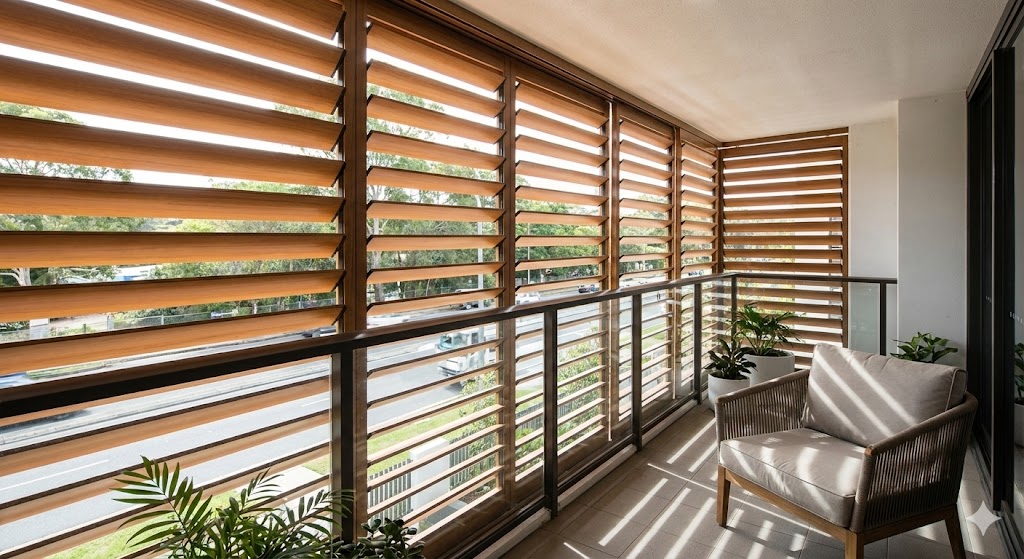
Exterior louvers application focuses on environmental control and façade enhancement.
Key exterior uses include:
- Facade and elevation construction.
- Window shading system
- Enclosures to balconies and terraces.
- Top storey equipment examination.
- Boundary walls and fencing
A thoughtfully planned facade louvers design enhances both aesthetics and thermal performance.
Louvers Application in Interior Spaces
Interior architectural louvers contribute to both functionality and design continuity.
Interior applications include:
- Decorative partitions and screens
- The designs of false ceiling and soffit.
- Staircase enclosures
- Ventilation panels for service areas
Interior louvers enhance circulation of air without interfering with open space.
How Do Building Louvers Improve Energy Efficiency?
Building louvers support energy efficiency by reducing heat gain and encouraging natural ventilation.
The benefits of energy saving are:
- Lower indoor temperatures
- Reduced reliance on air conditioning
- Improved daylight control
- Enhanced indoor air quality
Such advantages aid in assisting constructions to gain long-term operational savings.
Are Architectural Louvers Suitable for All Climate Conditions?
Yes, architectural louvers can be designed for various climates.
- Climatic conditions such as hot weather are advantageous to shading-oriented louvers.
- Wet climates acquire better ventilation.
- Areas that have a high amount of rainfall need waterproofed blade designs.
The choice of materials and the angle of the blade are important factors of performance.
How to Choose the Right Architectural Louvers for Your Project?
Choosing the correct louvers type requires careful evaluation.
Consider the following factors:
- Primary purpose: ventilation, shading, or privacy
- Environmental exposure
- Durability and maintenance of material.
- Lossless compatibility to building design.
- Budget and lifecycle cost
Expert guidance ensures the right louvers application and long-term reliability.
Are Architectural Louvers Easy to Maintain?
The maintenance will be determined by the choice of material.
- There is minimum maintenance required in aluminum and metal louvers.
- WPC louvers exterior systems are easy to clean
- Wooden louvers require regular care
High-quality architectural louvers reduce long-term maintenance costs.
Why Architectural Louvers Are a Smart Long-Term Investment
With multiple different types of louvers available, architects can design buildings that are efficient, visually appealing, and future-ready. Architectural louvers improve comfort, reduce energy costs, and enhance façade identity.
Their growing role in facade louvers design highlights their importance in contemporary construction.
Common Myths About Architectural Louvers
Several misconceptions surround architectural louvers.
- Myth: Louvers are only decorative
Fact: They play a vital role in ventilation and thermal control
- Myth: Louvers restrict airflow
Fact: Properly designed louvers enhance air movement
- Myth: Louvers require frequent maintenance
Fact: Modern materials like aluminum and WPC require minimal upkeep
Understanding these facts helps in making informed design decisions.
Why Choose Antovia Decor for Architectural Louvers?
Combinations of architectural solutions at Antovia Decor are developed by appreciating the modern construction requirements, climates and performance expectations in the long run. The brand focuses on delivering architectural louvers that combine functionality, durability, and refined aesthetics for diverse applications.
Antovia Decor offers a wide range of architectural louvers suitable for residential, commercial, and industrial projects. Designed to fit the changing architecture requirements, the current designs of the facade and advanced ventilation systems are all designed to address the ever-changing architectural requirements. Quality of materials, smoothness of finish and durability of structure are taken seriously to guarantee permanent value.
With a strong emphasis on innovation, Antovia Decor’s solutions—especially WPC louvers exterior systems—are crafted to withstand weather exposure while maintaining visual appeal. Through the integration of current manufacturing principles and design-oriented thoughts, Architects, designers as well as builders can create an efficient, aesthetically engaging and future-proof spaces with the assistance of Antovia Decor.
Conclusion
Architectural louvers have become an integral part of modern building design. They have the right combination of ventilation, shading, privacy, and beauty in residential, commercial, and industrial projects.
By understanding different types of louvers, selecting the right louvers type, and planning effective louvers application, architects and developers can create buildings that are efficient, visually appealing, and sustainable.
As construction continues to evolve, architectural louvers will remain a key element in smart, performance-driven architecture.
Frequently Asked Questions (FAQs)
1. What are architectural louvers mainly used for?
Architectural louvers are primarily used to control ventilation, sunlight, and privacy in buildings. They can facilitate the passage of natural air and minimize heat gains and shield interiors against rain and direct sunlight.
2. What is the difference between louvers type and louvers application?
Louvers type refers to the design or structure of the louvers, such as fixed, adjustable, vertical, or horizontal. Louvers application describes where and how louvers are used, including residential balconies, commercial façades, or industrial ventilation systems.
3. Are WPC louvers suitable for exterior use?
Yes, WPC louvers exterior solutions are highly suitable for outdoor applications. They are also very resistant to water, termites, and UV radiation, thus they are suitable in the design of the facades, balconies, and elevation.
4. How do building louvers improve energy efficiency?
Building louvers reduce direct solar heat gain and improve natural ventilation. This ensures a comfortable indoor climate and reduces the use of air-conditioning mechanisms thus minimized use of energy.
5. How do different types of louvers affect façade design?
Different types of louvers influence the depth, rhythm, and visual character of a building façade. A well-planned facade louvers design enhances aesthetics while maintaining ventilation and shading performance.
6. Are architectural louvers difficult to maintain?
Modern architectural louvers made from materials like aluminum and WPC require minimal maintenance. They can be cleaned regularly, inspected periodically to ensure that they maintain their appearance and performance with time.


