What Are Soffit Panels? Meaning, Uses & Installation
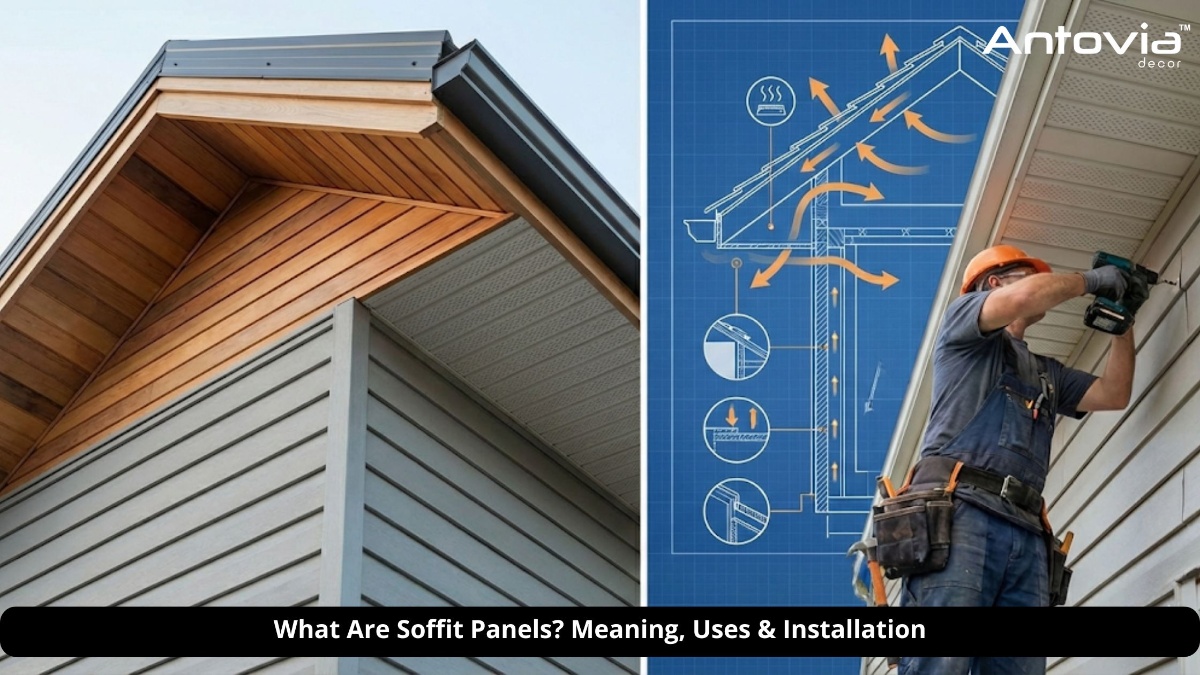
In the contemporary building and architecture, nothing is left to chance. Although the most attention is dedicated to walls, floors and roofs, there are also some small details that are very important to both performance and appearance. Soffit panels are one of such elements. Soffits are located under roof overhangs, balconies, and exterior ceilings, which are necessary to provide ventilation, security and complete the building envelope.
With architectural design trends shifting towards more sustainable lines and long lasting materials, the use of soffit systems in residential and commercial buildings is emerging as a major source of construction functionality. This information guide explains what are soffit panels, their purpose, the available material, installation, and how to select the appropriate solution to execute long-term performances.
What Are Soffit Panels?
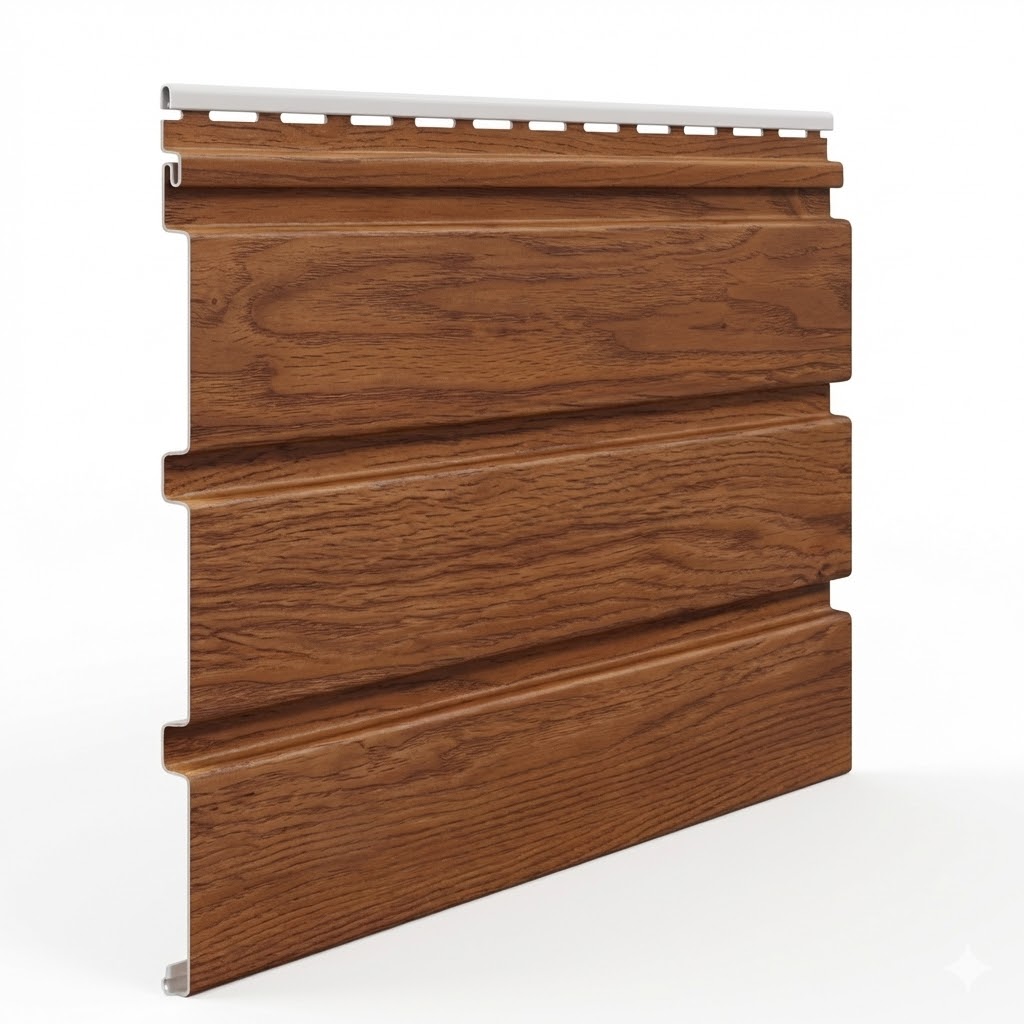
Soffit panels are panels mounted on the underside of elements of structure like roof caps, balconies, canopies, and external ceilings. The soffit is any open surface under a protrusion. These walls are used over open spaces which would otherwise expose structural elements to the weather and other environmental degradation.
Soffits also facilitate ventilation and aesthetic coherence besides protection. In both residential and business premises, they are frequently used and come in a vast variety of materials, textures and finishes to fit various architectural styles.
Soffits are also seen at ground level hence they determine greatly the amount of polished and professional appearance of a building.
What Is the Purpose of Soffit Panels?
Soffit panels do not only comprise ornamental elements. They carry out some crucial roles which directly influence life and comfort of a building.
Key purposes include:
- Ventilation by means of roof systems.
- Eliminating dampness of the attic or ceiling spaces.
- Preventing bird, insect, and rodent infestation on roof edges.
- Hiding electric wiring, drainage lines, and joints.
- Enhancing the general outside look.
A properly installed ventilated soffit board helps regulate airflow, which reduces heat accumulation and minimizes the risk of mold, mildew, and structural decay.
Types of Soffit Panels Available in the Market
Understanding the types of soffit panels available helps in selecting the right solution for specific project requirements.
PVC Soffit Panels
PVC soffit panels are among the most widely used options due to their affordability, lightweight nature, and moisture resistance. They are simple to build and preserve, which is why they are appropriate to be installed in houses and areas with a huge level of humidity.
Wood Soffit Panels
Wood soffit panels offer a natural and premium appearance. Their application is prevalent in villas, resorts and luxury houses where the aesthetics is considered important. Wood however needs to be treated and maintained periodically so as to withstand outdoor conditions.
Metal Soffit Panels
Metal soffit panels, typically made from aluminum or steel, are valued for their strength, fire resistance, and modern appearance. These panels are applicable in commercial, industrial and high buildings wherewith durability is crucial.
uPVC Soffit Board
A uPVC soffit board provides excellent resistance to moisture, termites, and UV rays. It is a low maintenance product that can be used on the exterior in diversified climatic conditions over time.
PVC Soffit Board
A PVC soffit board is commonly used for housing projects and renovations. It provides a clean finish, is easy to handle and quite reliable with little maintenance.
Where Are Soffit Panels Used?
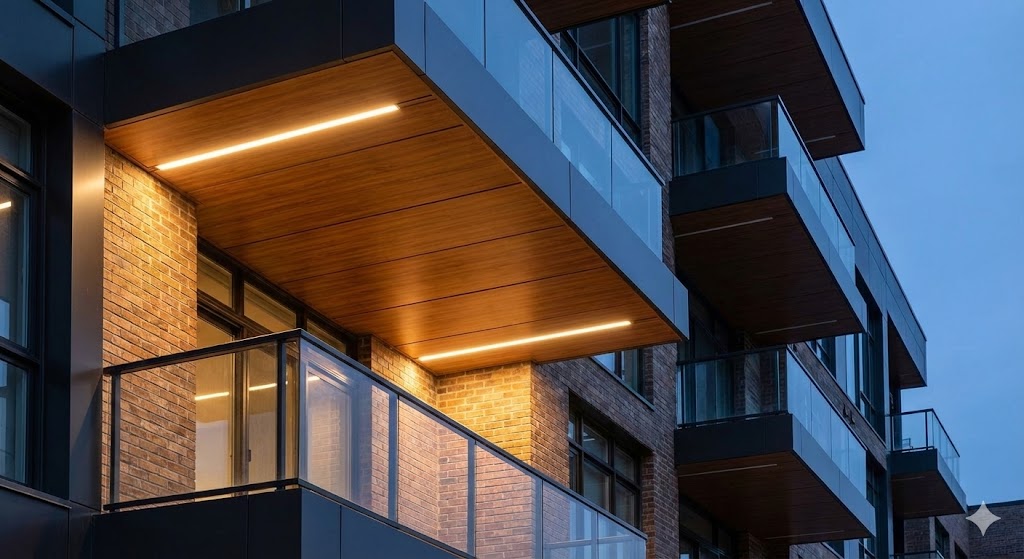
Soffit boards are very versatile, and they may be used in various building types and architecture.
Common usage areas include:
- Balconies and overhangs of the roof of residences.
- Outside ceiling and canopy of entrances.
- Offices and malls are examples of commercial buildings.
- Hospitals and educational institutions, hotels.
- Sheds and warehouses of industries.
- Walkways and verandas are covered.
In modern architecture the exterior soffit panels are frequently united with a facade covering and louvers to create a harmonious appearance of the building.
Benefits of Using Soffit Panels in Buildings
Soffit panels have both short run and long run benefits.
Major benefits include:
- Better airflow and ventilation.
- Improved resistance to the weather.
- Increased lifestyles of roof structures.
- Clean and finished exterior appearance.
- Less maintenance needs.
- Greater thermal comfort in the building.
High-quality exterior ceiling panels also help improve energy efficiency by reducing trapped heat beneath roofing systems.
How to Choose the Right Soffit Panels for Your Project?
The choice of the suitable soffit panels should be done with special consideration of the conditions of the project and design objectives.
Some of the key considerations to make are:
- Application area: exterior exposure or semi-covered spaces.
- Climate: It is heat, humidity, rainfall or coastal.
- Type of material: PVC, wood or metal.
- Design compatibility: Color, texture and finish.
- Maintenance requirements: Long-term maintenance requirements.
- Budgets: First cost vs. life.
For humid or coastal regions, pvc soffit panels and upvc soffit board options are often preferred due to moisture resistance and longevity.
How Does Soffit Panel Installation Work?
Correct soffit panel installation is critical to ensure proper ventilation, alignment, and long-term durability.
Installation Process Step by Step.
- Measurement and site inspection.
- Framing or support battens preparation.
- Installation of starting channels.
- Wall panel fixing with the correct spacing.
- Providing airflow openings to ventilate.
- Completion and finishing.
Large outdoor installation or exterior installation is suggested to be professionally installed to prevent performance problems and aesthetic disruptions.
Common Mistakes to Avoid During Installation
The installation errors may decrease the performance and the durability of the soffit systems.
Common errors include:
- Sealing ventilator openings.
- Using incorrect fasteners
- Poor panel alignment
- Assuming away thermal expansion gaps.
- The use of inferior materials.
A properly installed soffit board system ensures both structural protection and aesthetic appeal.
Maintenance Tips for Long-Lasting Soffit Panels
The fact that soffit panels require less maintenance is also one of the reasons why they are popular.
Simple maintenance procedures are:
- Washing up panels after a certain time with light detergent.
- Checking openings of ventilation against blockage.
- Specifying joints and fixings on an annual basis.
- Not using difficult chemicals on PVC surfaces.
Premium pvc soffit board products require minimal upkeep while maintaining their appearance over time.
Why Are Soffit Panels Important in Modern Architecture?
Contemporary architecture is concerned with performance, long life and beauty. Soffit panels fit perfectly into these objectives because they provide convenient advantages and improve the design quality.
Soffit systems are favored by architects and builders due to the following reasons:
- Supplement modern exterior designs.
- Encourage energy efficient buildings.
- Enhance indoor comfort by ventilation.
- Blend properly with facade features.
Due to this, the soffit has been incorporated in the modern building envelope as a common feature.
Why Choose Antovia Decor for Soffit Panels?
Antovia Decor believes in providing solutions to its soffit panels that are durable, functional and modern. The brand is a high quality PVC and uPVC soffit system, which is designed to use in residential, commercial and industrial works. All products are made to resist moisture, heat and prolonged exterior exposure and have a clean and refined finish.
Antovia Decor provides stable exterior ceiling to the architects and builders with a special concern to the efficiency of the ventilation systems, stability of the materials and uniformity of the manufacturing quality. The focus on quality management and functionality of installation of the brand has made it a reliable option when it comes to projects that require extended functionality and modern trends.
Conclusion: Upgrade Your Exterior with the Right Soffit Panels
The soffit panels might seem a small decoration to the architecture but they have an immense effect on the ventilation, protection, and aesthetics. From wood soffit panels to metal soffit panels and advanced PVC solutions, selecting the right material and ensuring proper installation can greatly enhance building performance.
In case of residential, commercial, or industrial projects, the long-term durability, better comfort, and a sophisticated exterior finish are the outcomes of investing in quality soffit systems.
Frequently Asked Questions About Soffit Panels
1) Are soffit panels waterproof?
Most modern soffit panels, especially PVC and metal options, are moisture resistant and suitable for exterior use.
2) Can soffit panels be used indoors?
Indeed, soffit boards are frequently applied as interior ceiling, corridors, and ornamental building elements.
3) Which soffit material is best for Indian weather?
PVC and uPVC are suitable in the Indian climatic conditions because of heat and moisture resistance.
4) How long do soffit panels last?
With proper installation, quality soffit panels can last 15 to 25 years or longer.
5) Are soffit panels expensive?
PVC and uPVC soffit products are cheap and a good value within their lifespan.


